
Revitalizing Communities Through Adaptive Re-Use Strategies


From Ghost Boxes to Gold Mines: The High-Stakes Evolution of Adaptive Reuse
The "Retail Apocalypse" was never an ending; it was an industry-wide eviction notice. After years of watching "For Lease" signs multiply like weeds across the California landscape, we aren’t just looking at empty square footage anymore. We are looking at the most significant arbitrage opportunity in modern commercial real estate.
Whether it’s a 2,000-square-foot boutique in a coastal MSA or a 150,000-square-foot "zombie" anchor store in the Inland Empire, the bones of retail are being scavenged and reborn. This isn’t just urban planning—it’s high-stakes survival.
The Retail Metamorphosis: Scale Matters
In the CRE game, size dictates the strategy. The play for a corner storefront is worlds apart from the entitlement battle for a defunct big-box.
The Micro-Play (1,000 – 5,000 SF): Small-scale retail is pivoting toward high-intensity use. Think "maker spaces," boutique fitness, or even high-end residential lofts that leverage street-level energy.
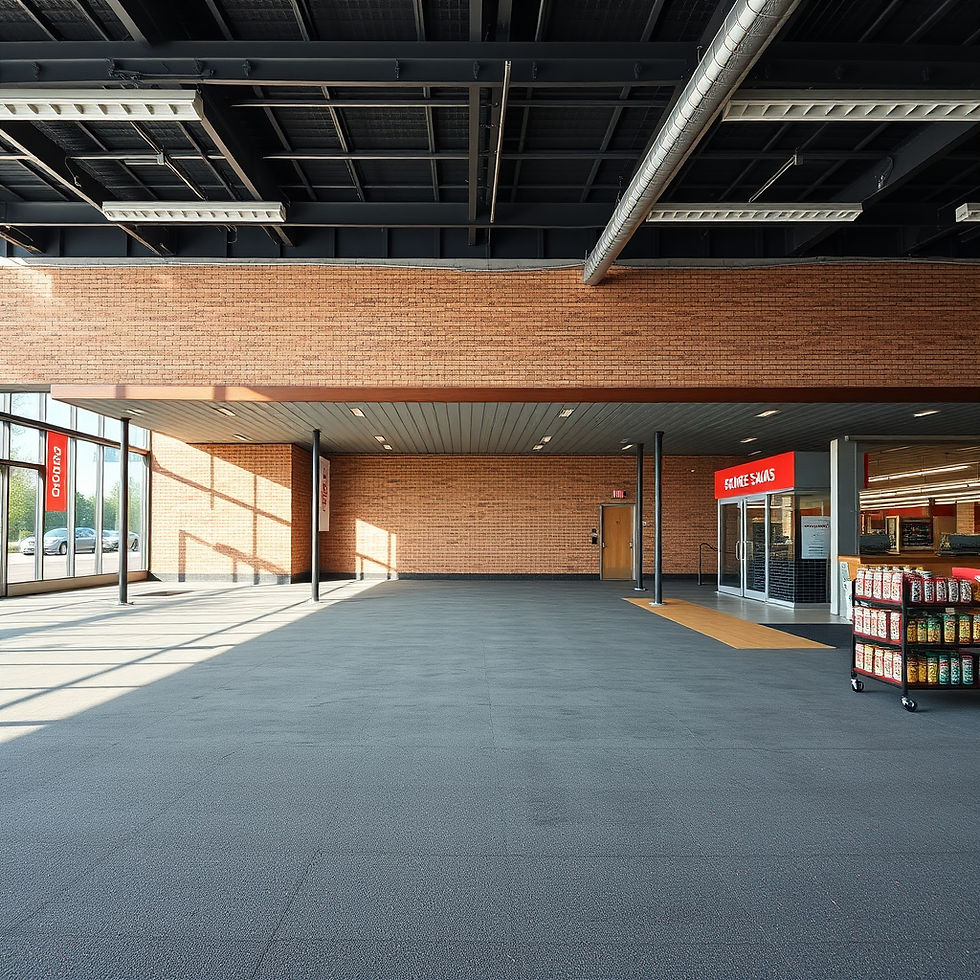
The Big-Box Pivot (50,000+ SF): This is where the real complexity lives. We’re seeing massive footprints transition into self-storage facilities, multi-generational community hubs, or vertical farms. These projects require a deep dive into "clear height" logistics and parking ratios that traditional retail never had to worry about.
The Multi-Use Hybrid: The most resilient projects are "stacking" uses—mixing medical offices with lifestyle retail to ensure foot traffic stays high from 9 AM to 9 PM.
California’s Battlefield: Mapping the MSAs
The strategy changes the moment you cross county lines. Adaptive reuse in California requires navigating some of the most complex zoning landscapes in the country:
Los Angeles / Anaheim: High density meets low supply. The move here is extreme-density residential conversions and luxury creative suites.
SF / Bay Area: Tech-centric but shifting. Look for innovative R&D hubs and tech-integrated community marketplaces.
The Inland Empire: The logistics and warehousing king. The opportunity lies in converting redundant retail into specialized self-storage or "last-mile" fulfillment centers.
San Diego: Where coastal lifestyle meets the military. High-end hospitality and life-science lab spaces are winning in repurposed retail cores.
Why "Recycled" Real Estate Wins
Demolishing a building is easy. Reimagining it is profitable. Here is why the "bones" are often better than the dirt:
Entitlement Shortcuts: Often, keeping the existing structure allows for a faster path through the grueling California permitting process compared to ground-up development.
Sustainability as a USP: Modern tenants and investors are focused on ESG (Environmental, Social, and Governance). Saving the steel and concrete isn't just green—it's a marketing powerhouse.
Architectural Soul: You can’t "build" the character of a mid-century department store from scratch. That aesthetic grit attracts high-value tenants.
The Reality Check: Challenges & Execution Don't
let the glossy renderings fool you; adaptive reuse is a grind. Success in this space requires a "skeptical visionary" mindset. You have to believe in the transformation while triple-checking every structural column and zoning ordinance.
The "Legacy" Tax: Older buildings come with surprises—asbestos, outdated seismic bracing, and electrical systems that can't handle a modern server room.
Zoning Friction: Getting a city council to see a "storage" or "industrial" use in a "commercial" zone is a political chess match.
The Capital Gap: Financing a conversion is trickier than financing new construction. Lenders want to see a rock-solid pro forma and a team that understands the nuances of the local market.
The Horizon: What’s Next?
We are entering the era of the Multi-Functional Urban Environment. The days of mono-use retail are dead. The future belongs to those who can look at a vacant department store and see a high-yield, mixed-use engine that serves the community and the bottom line simultaneously.
The retail landscape hasn't vanished—it’s just waiting for a better idea.From Ghost Boxes to Gold Mines: The High-Stakes Evolution of Adaptive Reuse
The "Retail Apocalypse" was never an ending; it was an industry-wide eviction notice. After years of watching "For Lease" signs multiply like weeds across the California landscape, we aren’t just looking at empty square footage anymore. We are looking at the most significant arbitrage opportunity in modern commercial real estate.
Whether it’s a 2,000-square-foot boutique in a coastal MSA or a 150,000-square-foot "zombie" anchor store in the Inland Empire, the bones of retail are being scavenged and reborn. This isn’t just urban planning—it’s high-stakes survival.
The Retail Metamorphosis: Scale Matters
In the CRE game, size dictates the strategy. The play for a corner storefront is worlds apart from the entitlement battle for a defunct big-box.
The Micro-Play (1,000 – 5,000 SF): Small-scale retail is pivoting toward high-intensity use. Think "maker spaces," boutique fitness, or even high-end residential lofts that leverage street-level energy.
The Big-Box Pivot (50,000+ SF): This is where the real complexity lives. We’re seeing massive footprints transition into self-storage facilities, multi-generational community hubs, or vertical farms. These projects require a deep dive into "clear height" logistics and parking ratios that traditional retail never had to worry about.
The Multi-Use Hybrid: The most resilient projects are "stacking" uses—mixing medical offices with lifestyle retail to ensure foot traffic stays high from 9 AM to 9 PM.
California’s Battlefield: Mapping the MSAs
The strategy changes the moment you cross county lines. Adaptive reuse in California requires navigating some of the most complex zoning landscapes in the country:
Los Angeles / Anaheim: High density meets low supply. The move here is extreme-density residential conversions and luxury creative suites.
SF / Bay Area: Tech-centric but shifting. Look for innovative R&D hubs and tech-integrated community marketplaces.
The Inland Empire: The logistics and warehousing king. The opportunity lies in converting redundant retail into specialized self-storage or "last-mile" fulfillment centers.
San Diego: Where coastal lifestyle meets the military. High-end hospitality and life-science lab spaces are winning in repurposed retail cores.
Why "Recycled" Real Estate Wins
Demolishing a building is easy. Reimagining it is profitable. Here is why the "bones" are often better than the dirt:
Entitlement Shortcuts: Often, keeping the existing structure allows for a faster path through the grueling California permitting process compared to ground-up development.
Sustainability as a USP: Modern tenants and investors are focused on ESG (Environmental, Social, and Governance). Saving the steel and concrete isn't just green—it's a marketing powerhouse.
Architectural Soul: You can’t "build" the character of a mid-century department store from scratch. That aesthetic grit attracts high-value tenants.

The Reality Check: Challenges & Execution
Don't let the glossy renderings fool you; adaptive reuse is a grind. Success in this space requires a "skeptical visionary" mindset. You have to believe in the transformation while triple-checking every structural column and zoning ordinance.
The "Legacy" Tax: Older buildings come with surprises—asbestos, outdated seismic bracing, and electrical systems that can't handle a modern server room.
Zoning Friction: Getting a city council to see a "storage" or "industrial" use in a "commercial" zone is a political chess match.
The Capital Gap: Financing a conversion is trickier than financing new construction. Lenders want to see a rock-solid pro forma and a team that understands the nuances of the local market.
The Horizon: What’s Next?
We are entering the era of the Multi-Functional Urban Environment. The days of mono-use retail are dead. The future belongs to those who can look at a vacant department store and see a high-yield, mixed-use engine that serves the community and the bottom line simultaneously.
The retail landscape hasn't vanished—it’s just waiting for a better idea.


Comments